AI denoising and 3D for reservoir rock micro-CT
Denoxel cleans micro-CT scans of core samples with a neural network trained on rock, proves the result, and shows every grain in 3D. Train it on your own scanner and batch whole folders, in one desktop application.
Measured, not claimed
A real micro-CT slice of a sandstone the model never saw during training. Left: the raw scan. Right: the same slice after Denoxel.
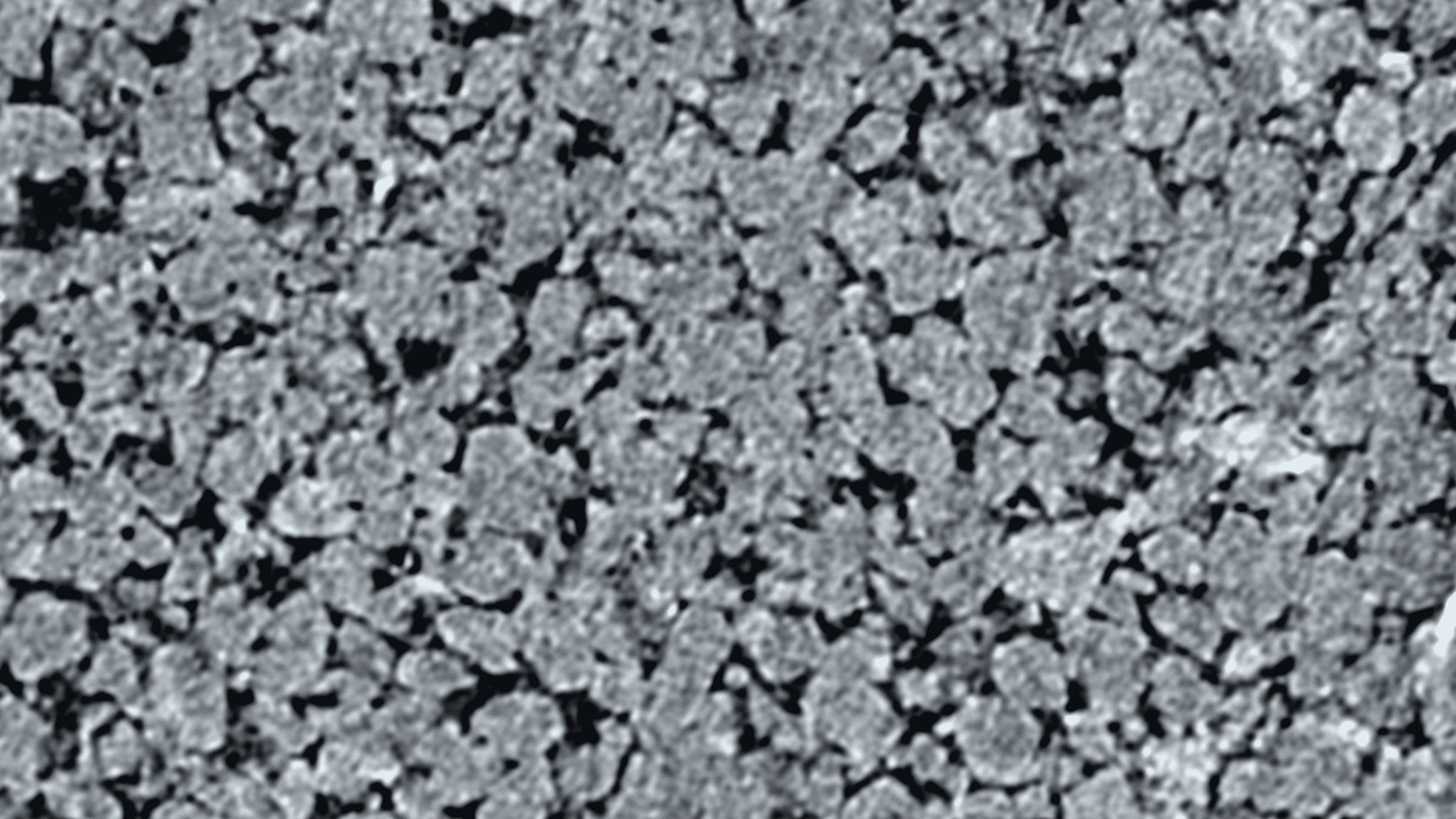
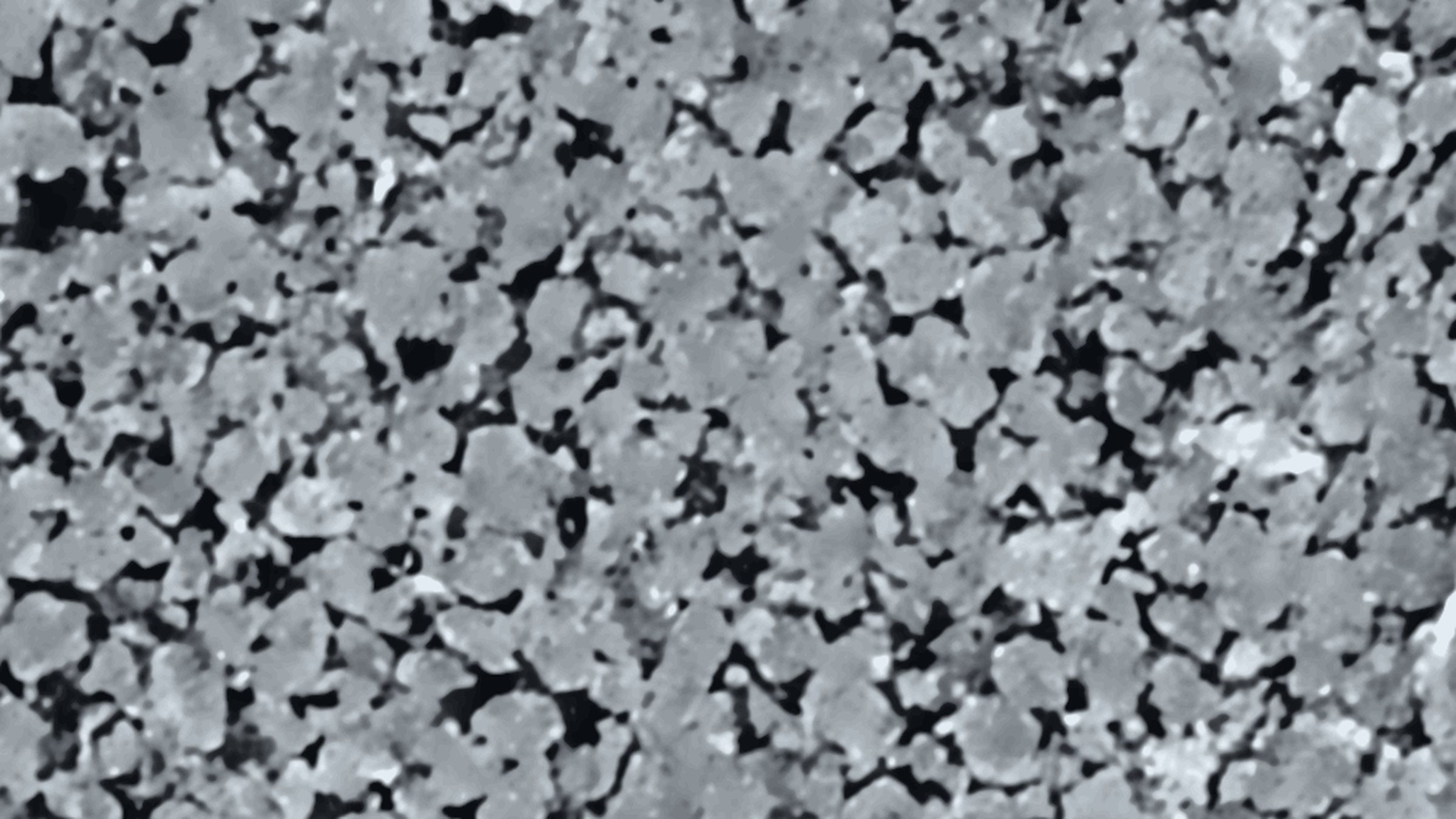
Kirby sandstone, Digital Rocks Portal DRP-317, axial slice 500, 2.25 µm voxels
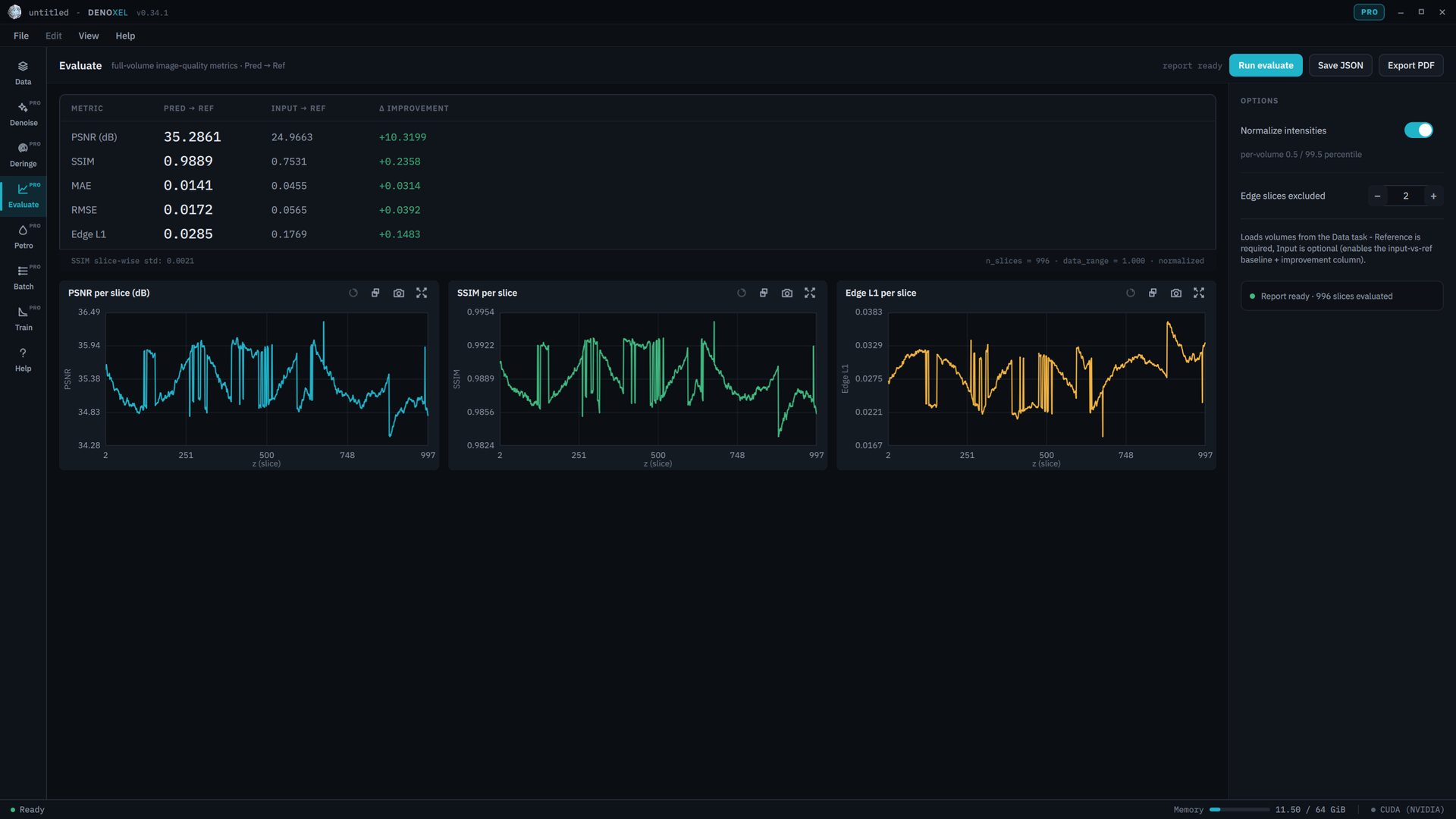
PSNR from 24.97 dB to 33.36 dB, over 996 slices.
Edge error from 0.177 to 0.038. Detail is restored, not blurred away.
Relative to the clean reference. The raw scan is off by 26.8 %.
Porosity drives oil in place
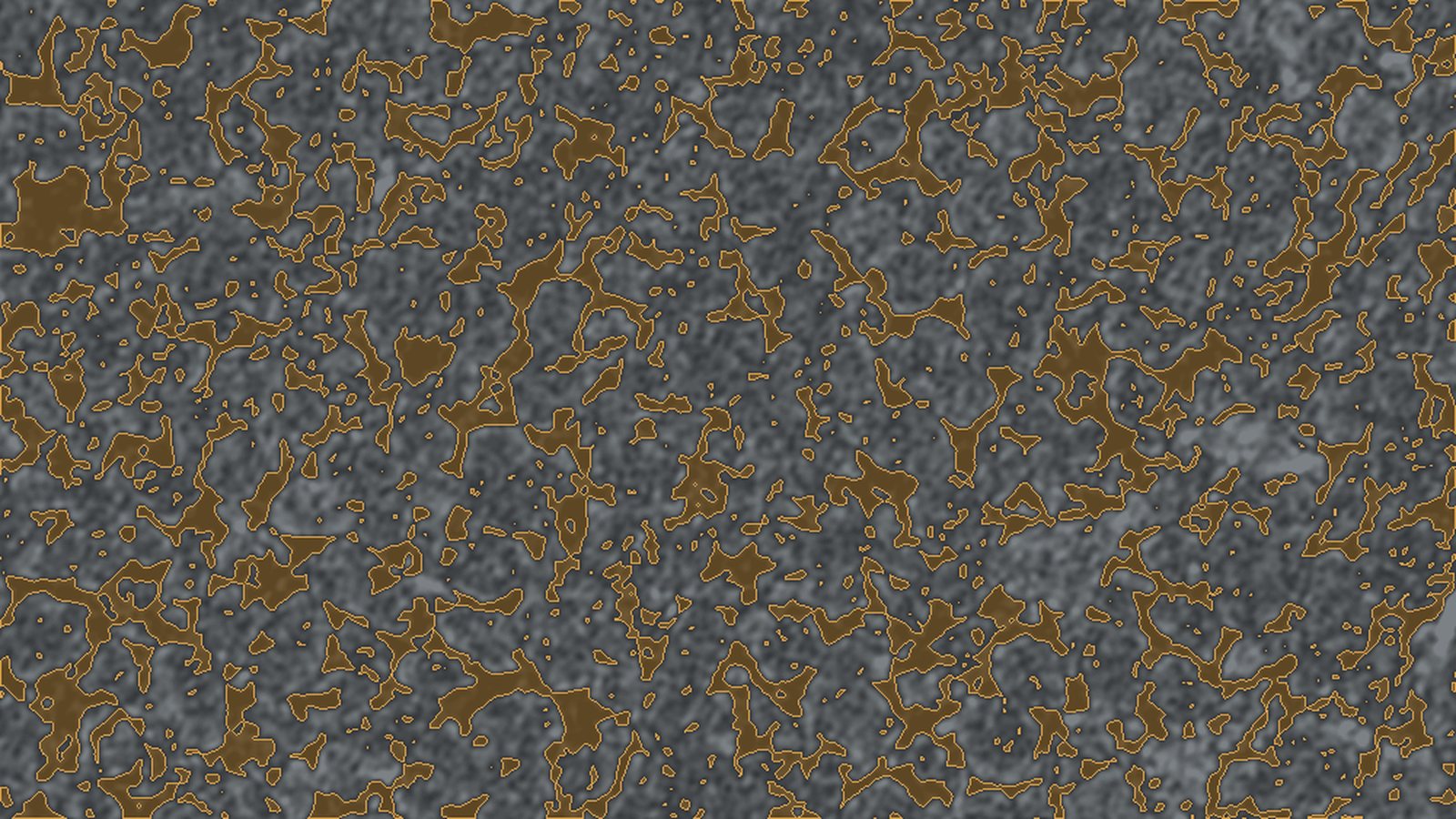
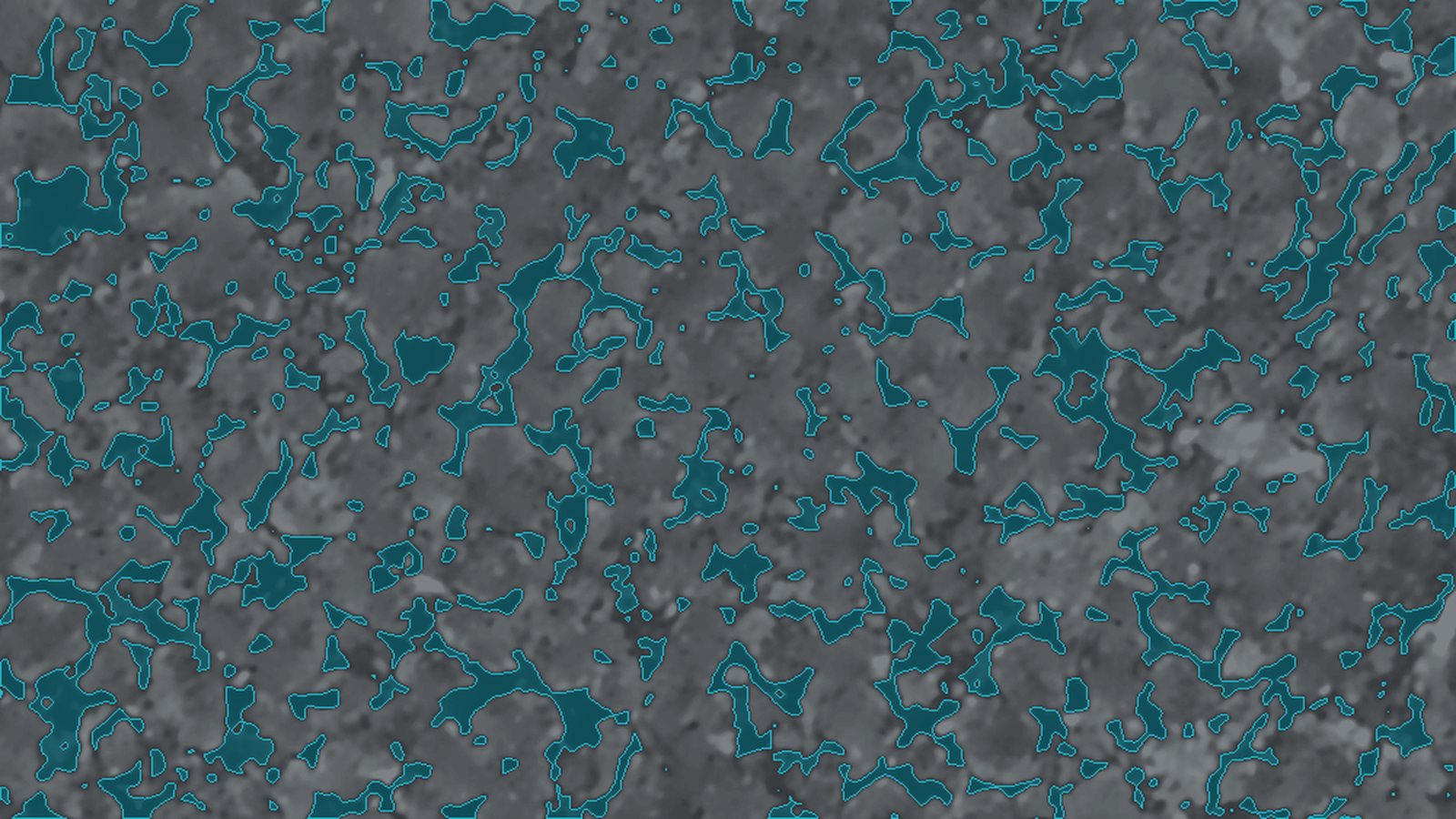
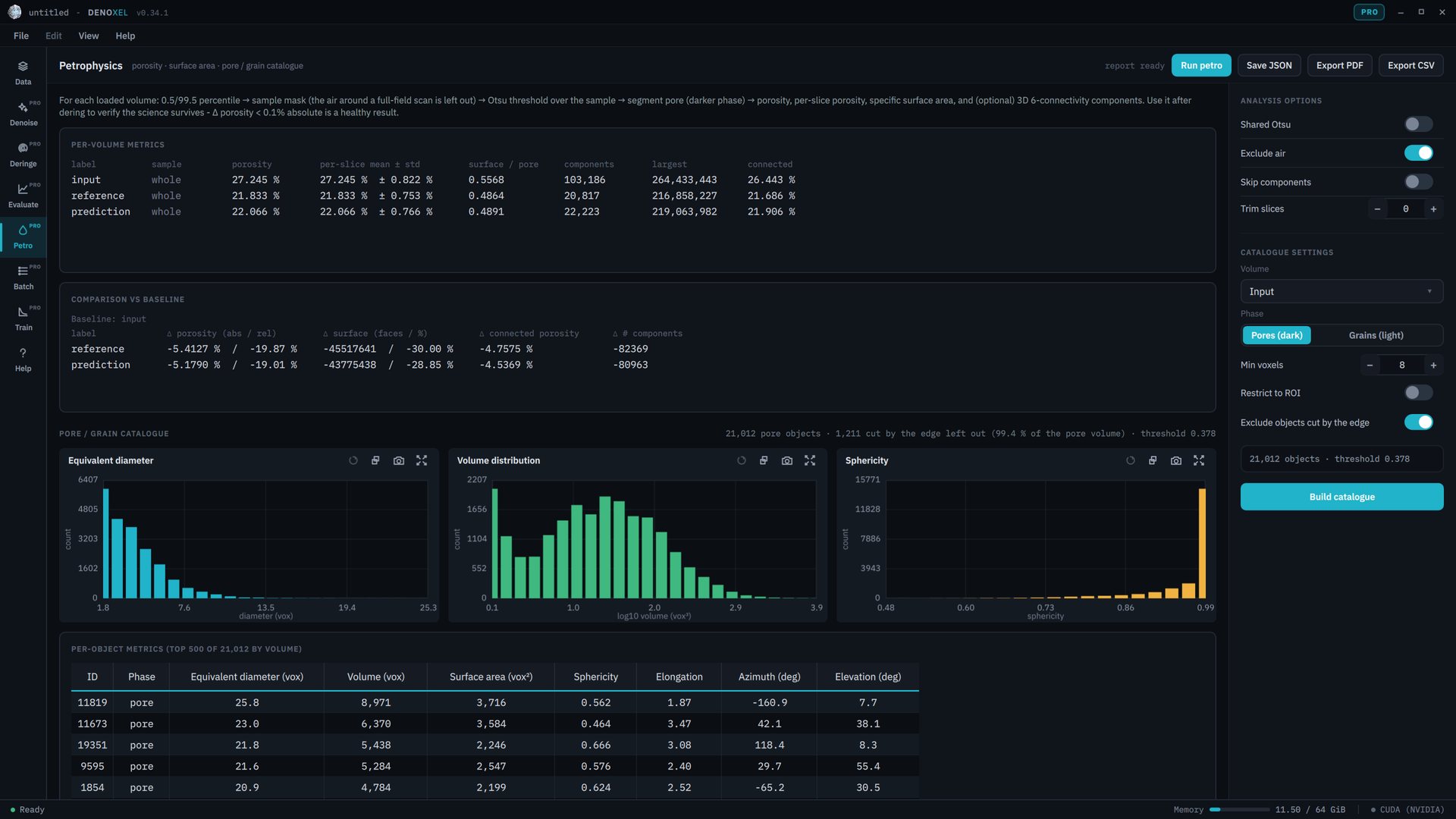
Dark speckle in a raw scan is segmented as pore space. On the Kirby sandstone the raw scan overstates porosity by 5.8 points. After denoising it lands within 0.34 points of the clean reference.
clean reference value
Full-resolution 3D viewer
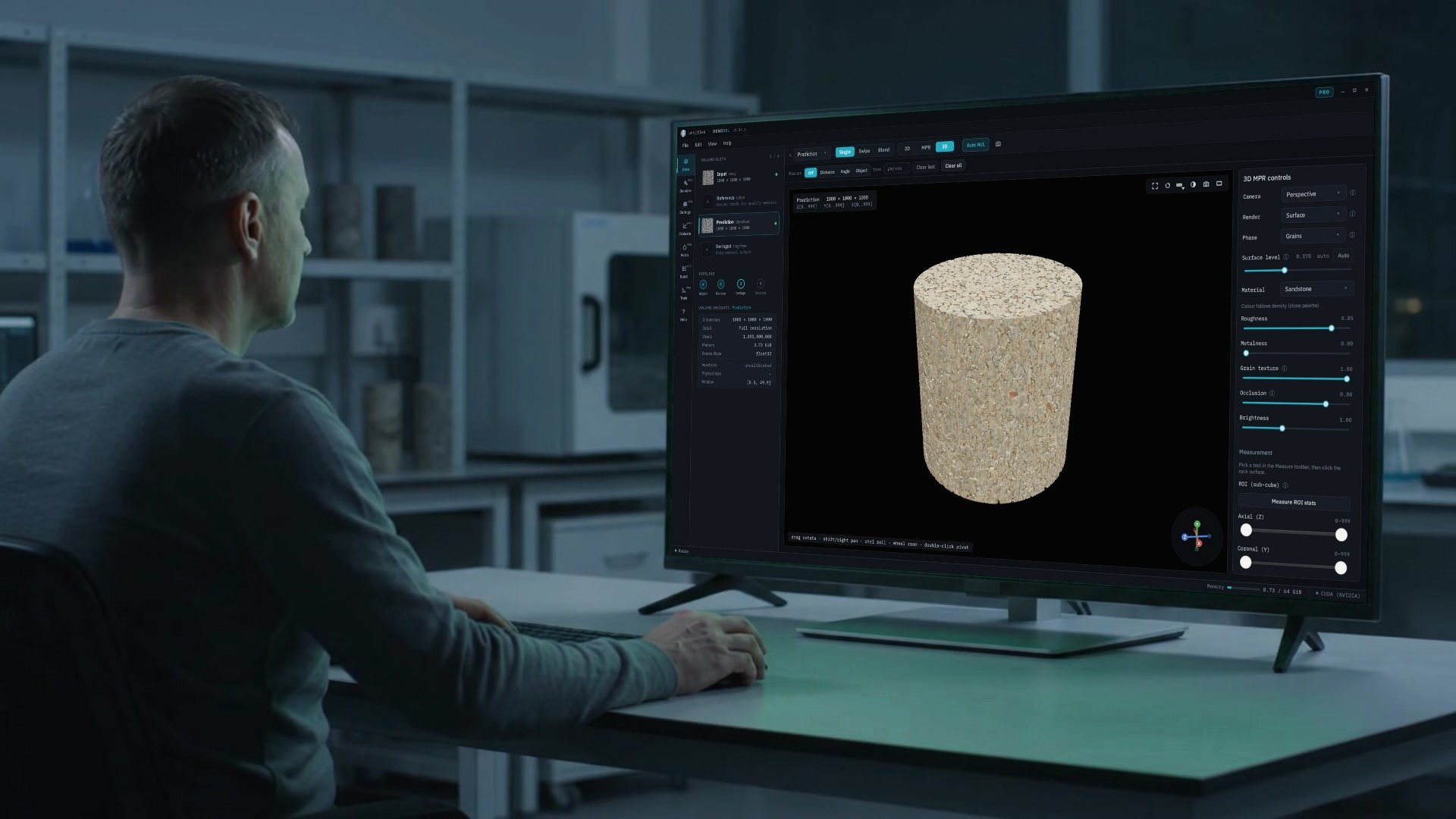
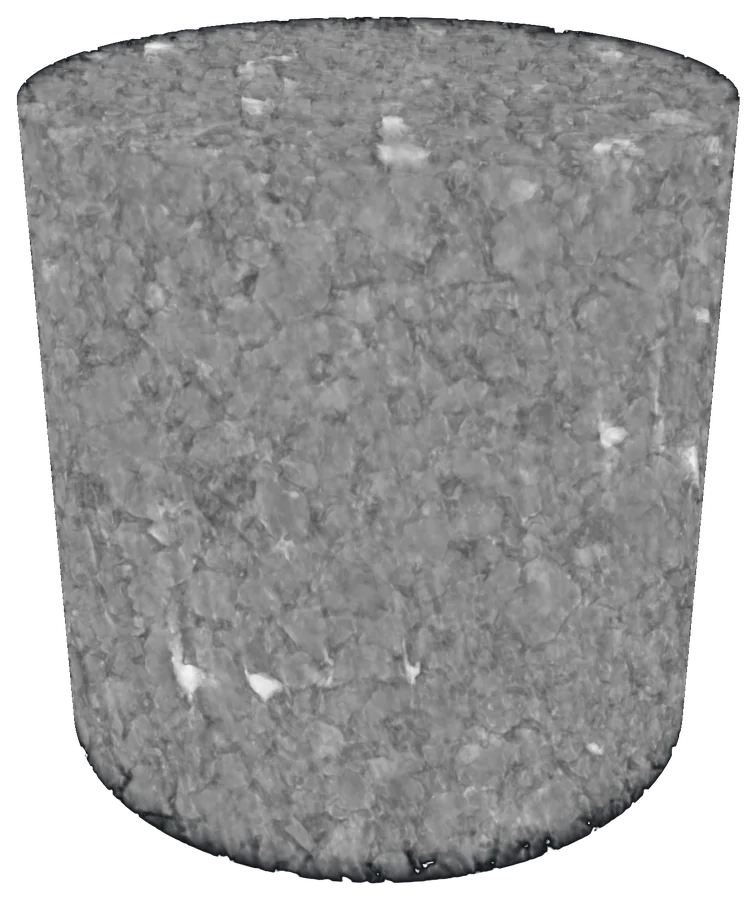
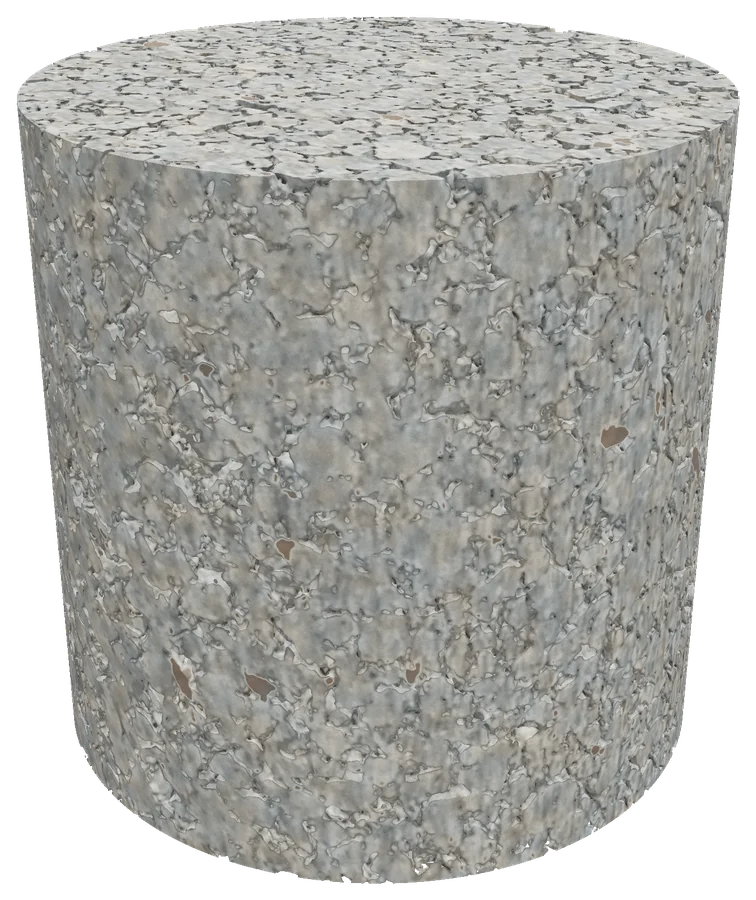
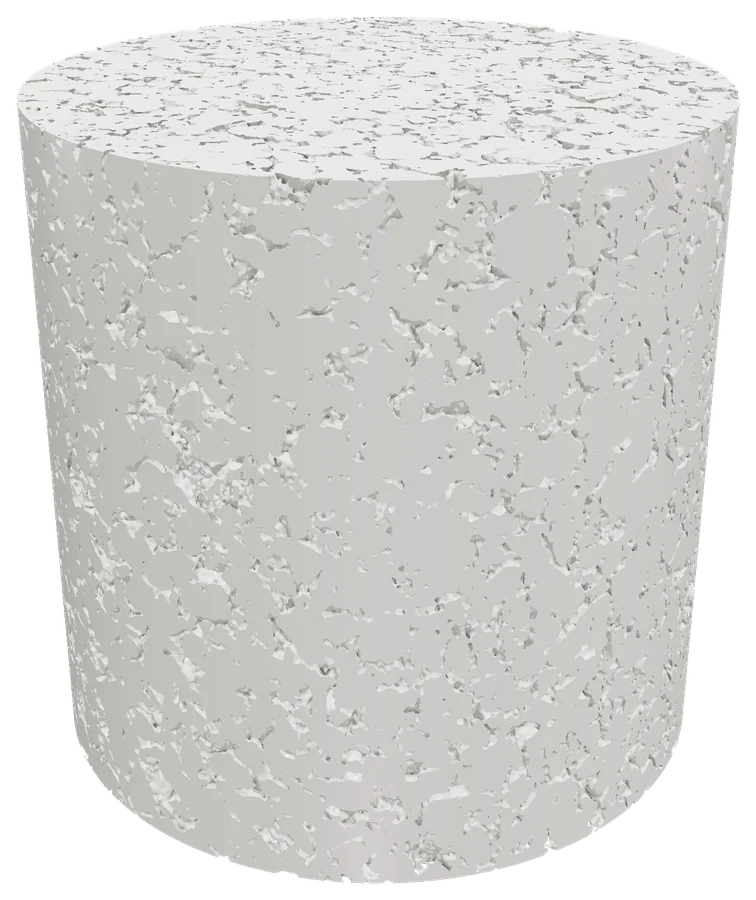
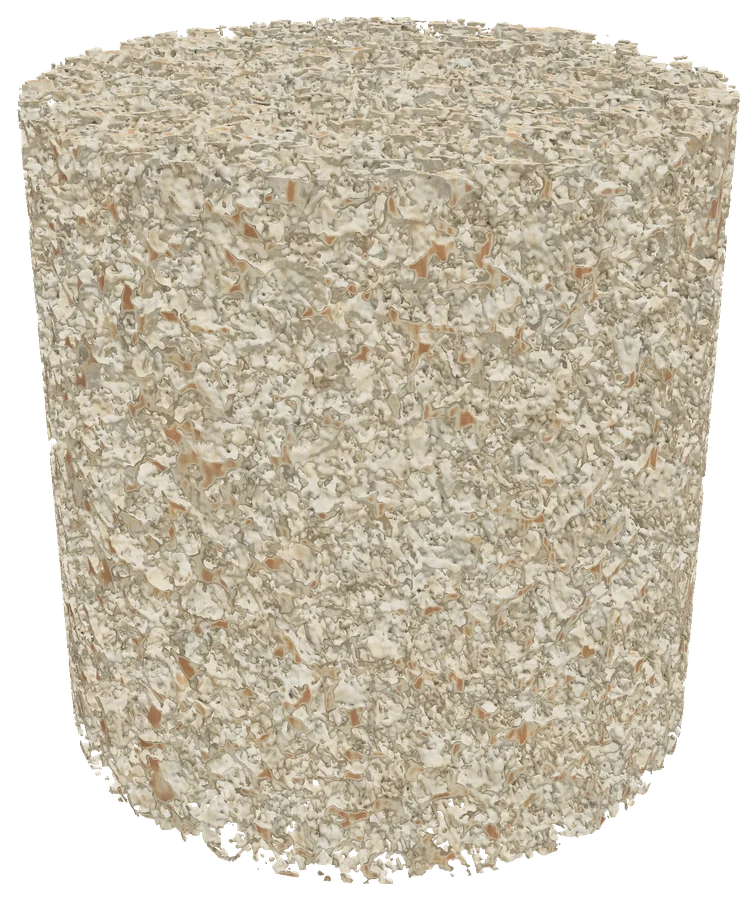
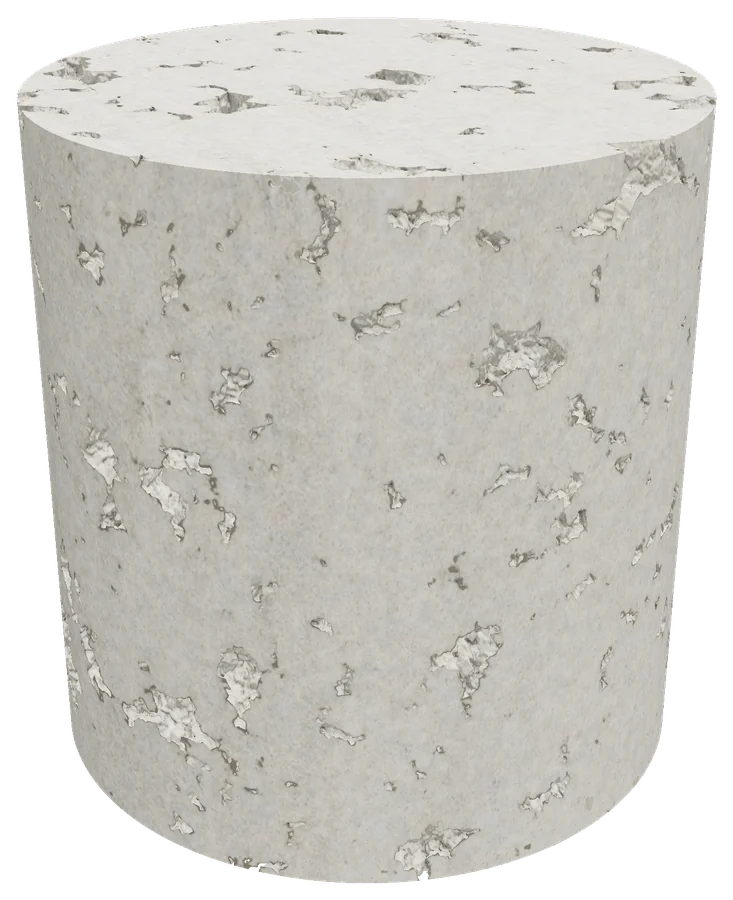
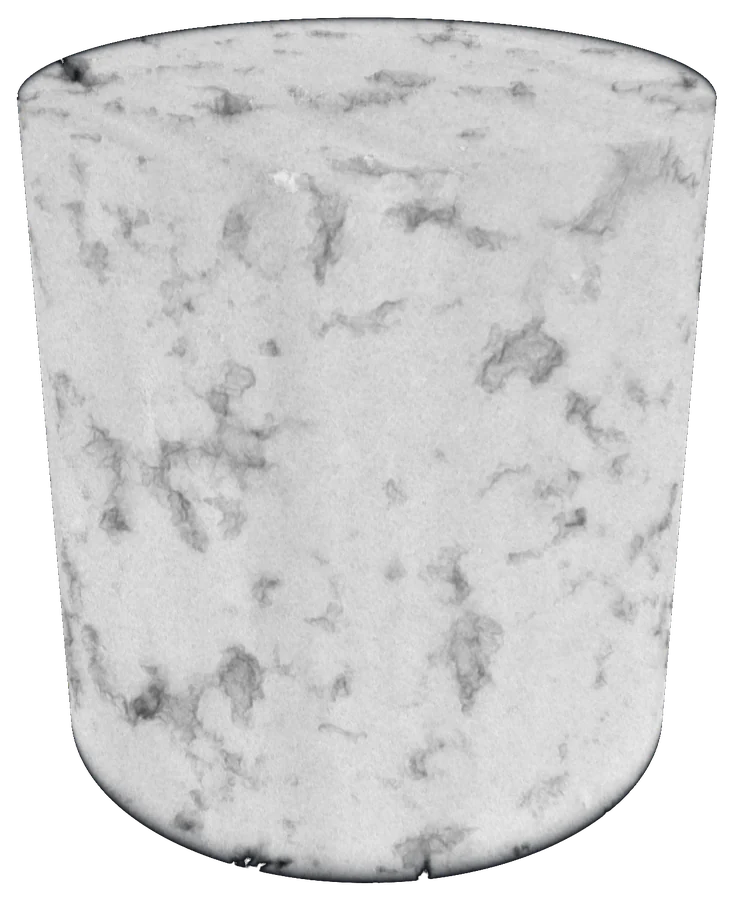
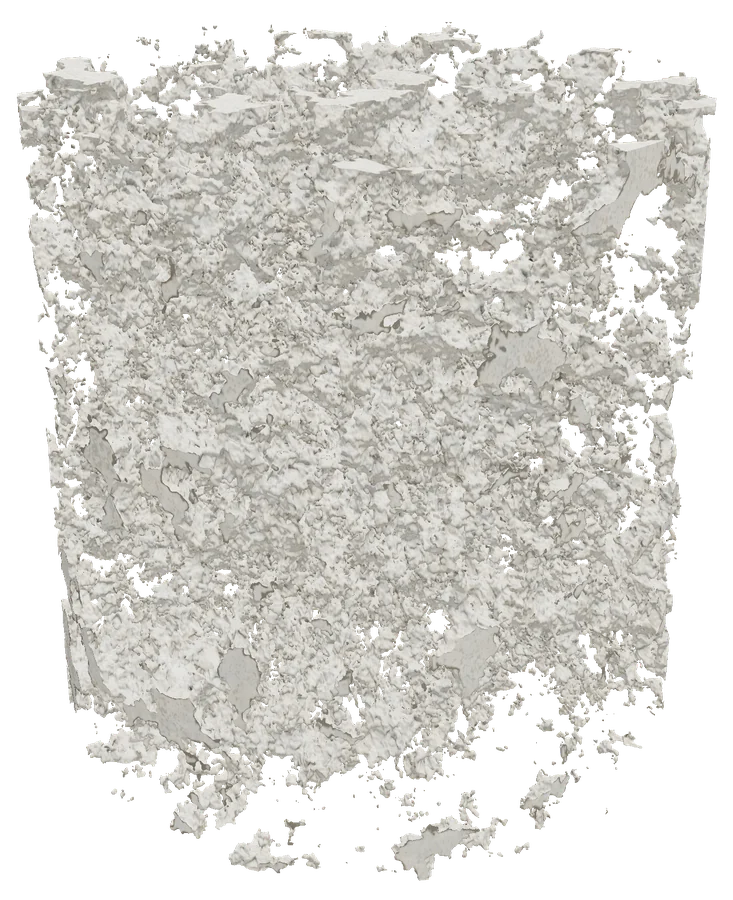
These are real micro-CT scans, rendered by Denoxel. Two real reservoir rocks, a sandstone and a pre-salt carbonate. See each as rock, as its pore space cast as a solid, or as the X-ray volume.
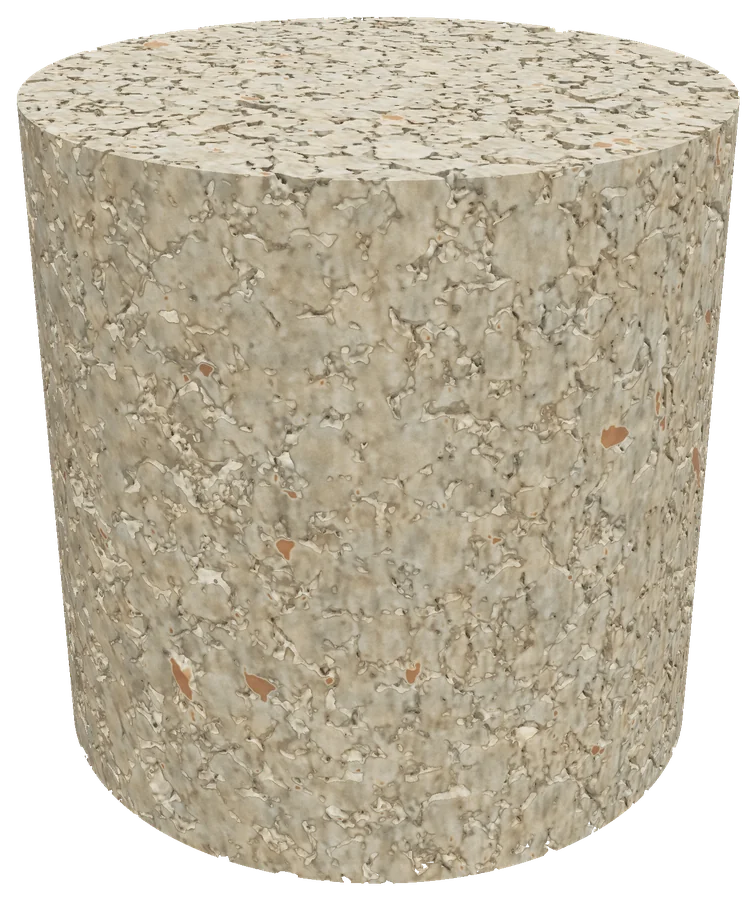
Rock
X-ray volume
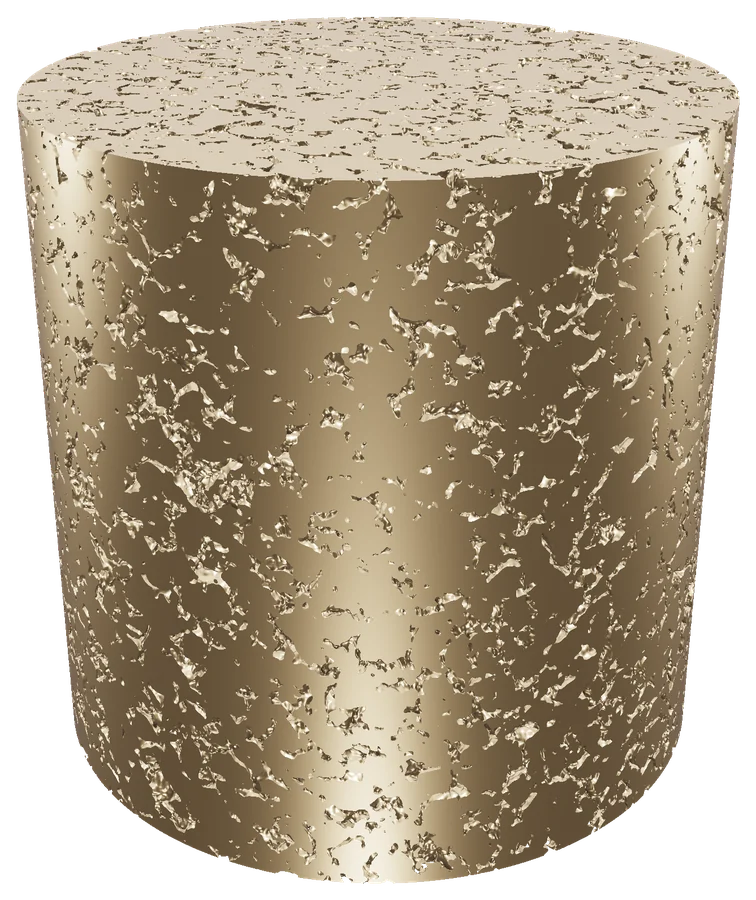
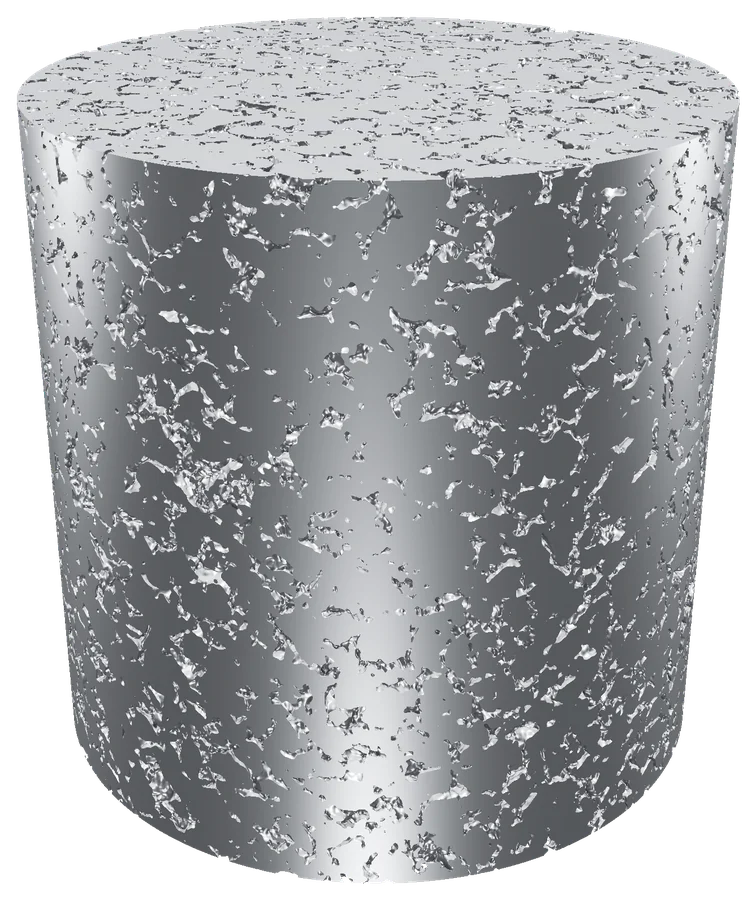
Other surface finishes
Stone surfaces colour every grain by its measured density. Ceramic and metal show the pure shape. The pore cast turns the empty pore space into a solid you can turn and measure.
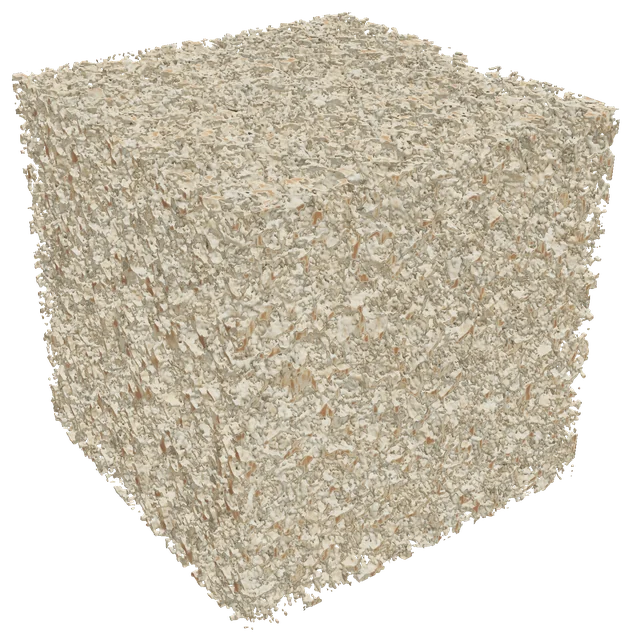
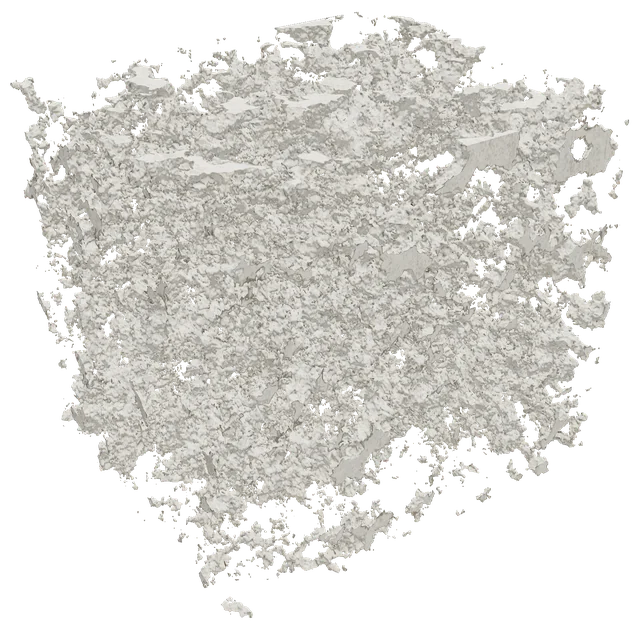
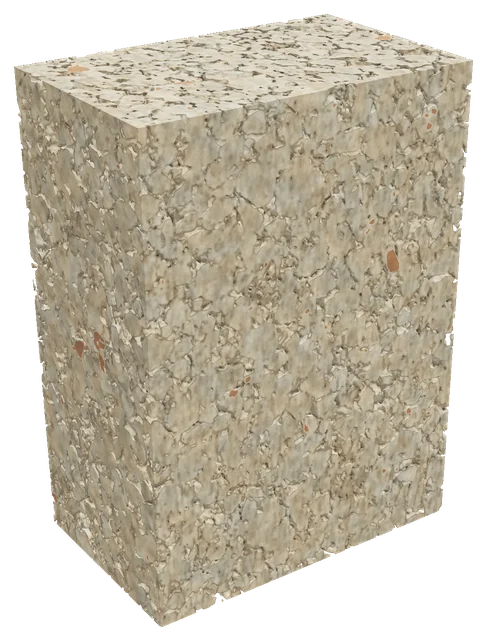
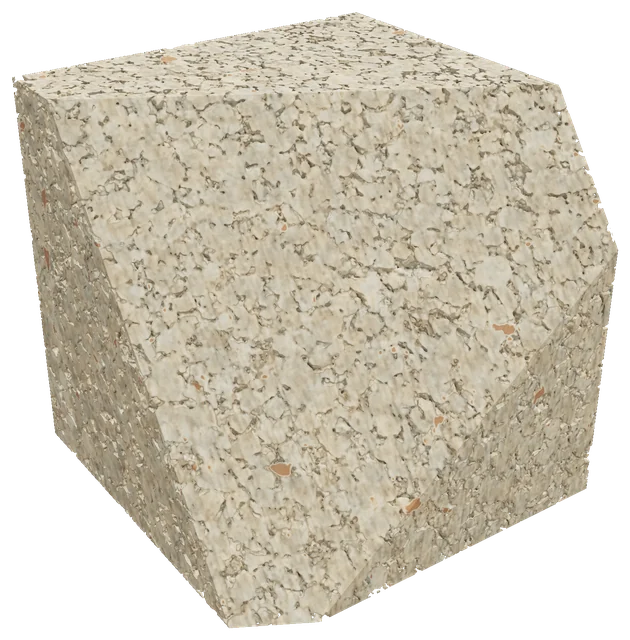
Kirby: 1000 x 1000 x 1000 voxels, shown at full resolution. Carbonate: Digital Rocks Portal DRP-503, 1401 x 1461 x 1655 voxels at 8 µm, opened on one workstation.
One application, end to end
Denoise: the raw scan and the Denoxel result, the same slice side by side.
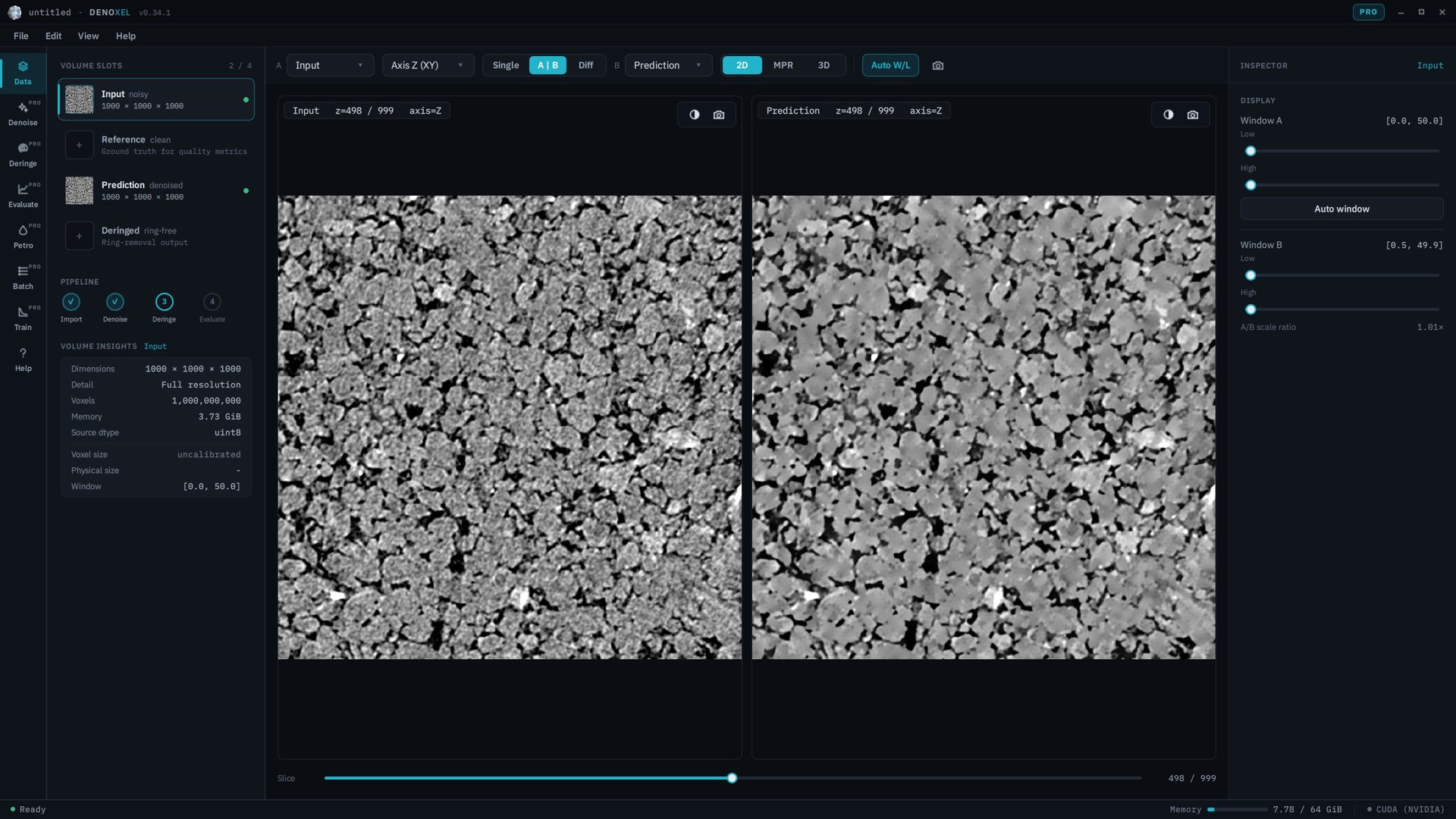
Built-in 2.5D models trained on rock. A billion voxels in 13 minutes on one RTX 4080, or on the CPU.
PSNR, SSIM and edge metrics against a reference, per-slice charts and a one-click PDF report.
Porosity, specific surface and a sortable pore and grain catalogue with CSV export.
Core plug view, crop, clip, pore cast and materials. Distance, angle and objects measured in micrometres.
TIFF, DICOM, NRRD, MetaImage and RAW, 8 to 32 bit. Large volumes load within a memory budget.
Runs fully offline. No cloud. Your scans never leave your workstation.
From scanner to report
On-device training
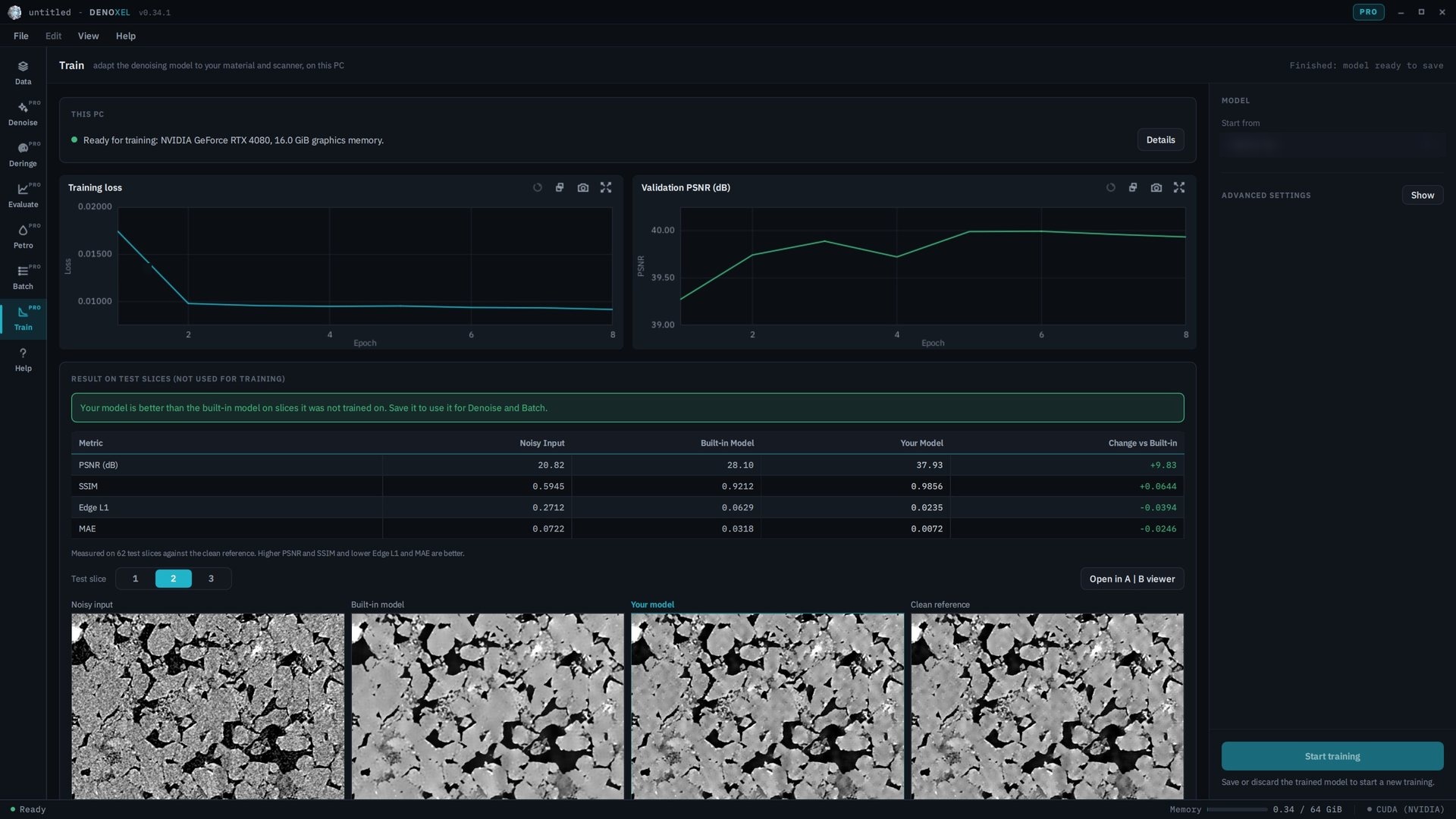
Every scanner and every rock is different. Train the model on your own noisy and clean scans, on this PC, and see before you save it whether it beats the built-in model.
37.93 dB against 28.10 dB on 62 test slices it never trained on.
Leopard sandstone, 8 epochs, one RTX 4080.
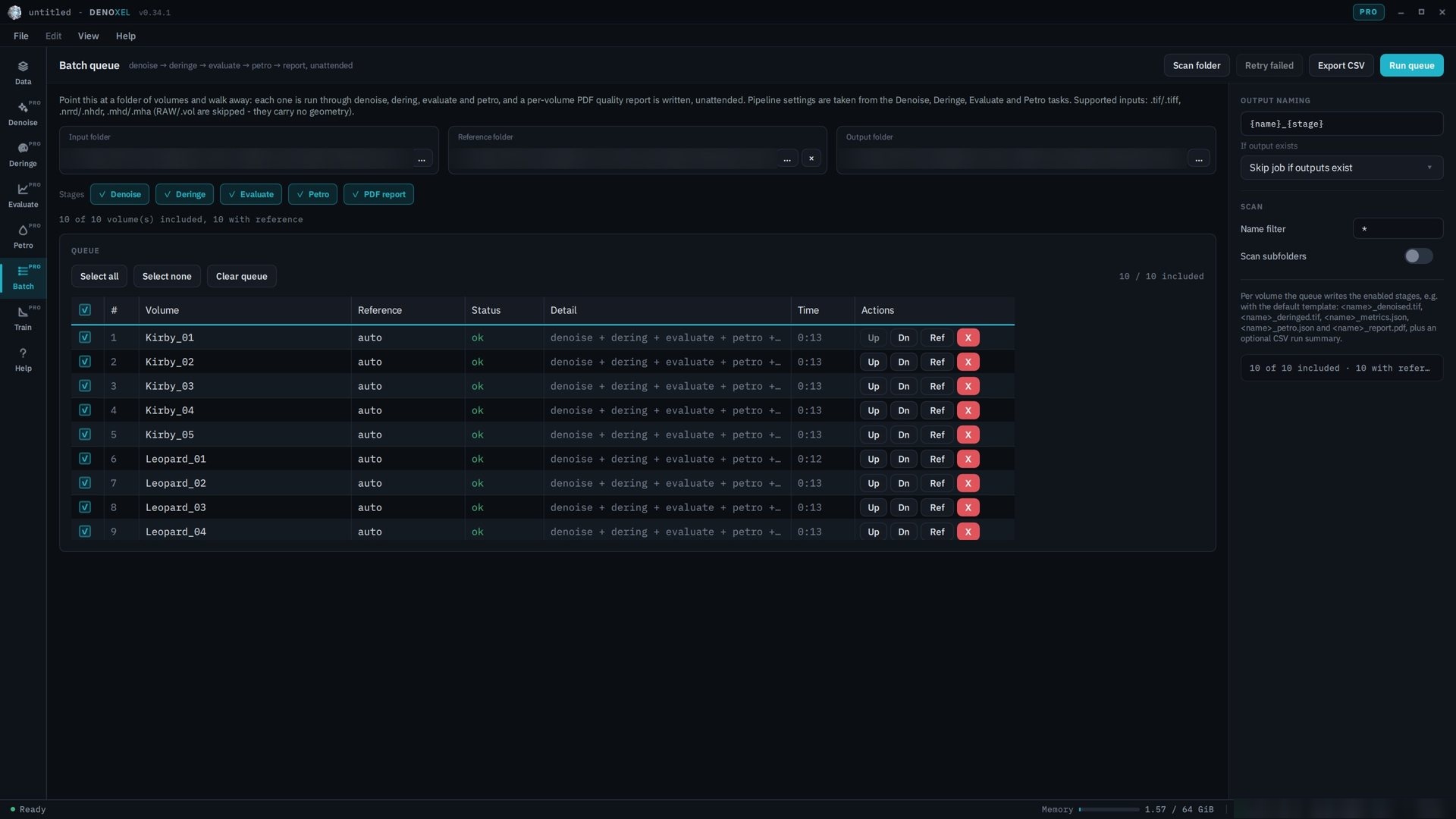
Unattended batch
Point it at a folder. Every scan is denoised, evaluated against its reference, measured and reported, one after another.
256³ Kirby and Leopard sub-volumes, about 13 s each.
Editions
Open and inspect any scan.
Everything, in one licence.
For teams and service labs.
Windows 10 or 11, 64-bit. 8 GB RAM minimum, 32 GB recommended. NVIDIA GPU with a CUDA 12 driver optional.
Runs fully offline. Your scans never leave your workstation. Licences are signed files, node-locked.
Eight pages with the results, the 3D viewer, training, batch and specifications. Download the PDF.
Try it on your own data
Tell us about your scanner and samples. We will denoise one of your volumes and return the full quality report, free and without obligation.